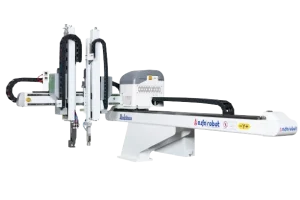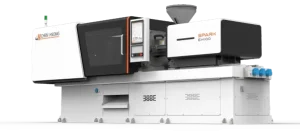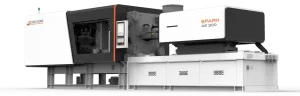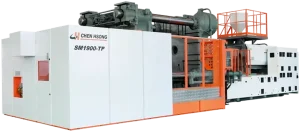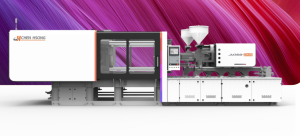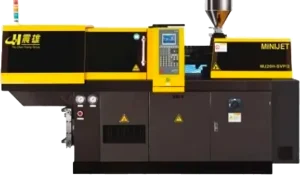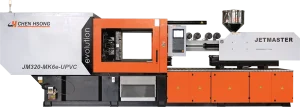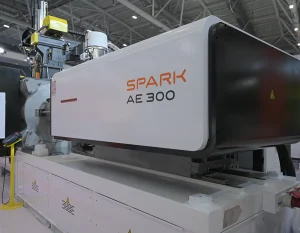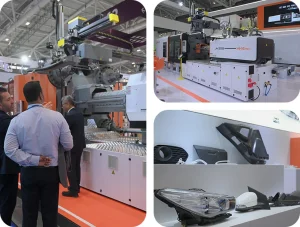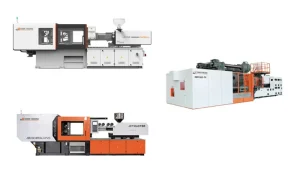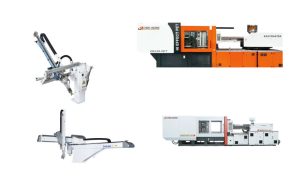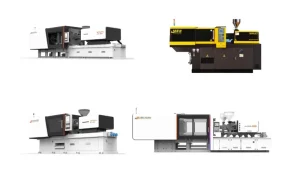
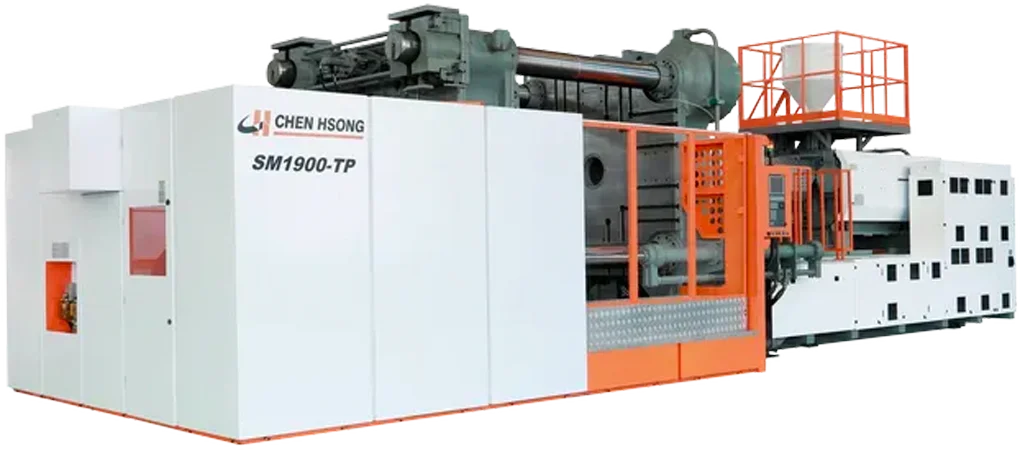
Facing factory space constraints? Advanced SM-TP two platen injection moulding machines from BES Sales ensure robust, high-tonnage power.
Large plastic components require machinery built for larger moulds and higher clamping forces. SM-TP two platen injection moulding machines are designed for these demanding applications. Manufacturers across Australia use this machine range when production requirements exceed standard moulding capabilities.
Why SM-TP Two Platen Injection Moulding Machines Suit Large Mould Applications
Large moulds require sufficient space and stable clamping performance. SM-TP two platen injection moulding machines are designed to accommodate larger mould sizes while supporting high-tonnage production requirements.
The two-platen design also creates more flexibility within the machine layout. This can be beneficial for manufacturers comparing mould sizes, machine specifications, and available factory space.
What Manufacturers Consider When Selecting High-Tonnage Equipment
Selecting machinery involves more than clamping force alone. Buyers often evaluate machine flexibility, mould capacity, and long-term production suitability.
Important considerations include:
What Manufacturers Consider When Selecting High-Tonnage Equipment
Selecting machinery involves more than clamping force alone. Buyers often evaluate machine flexibility, mould capacity, and long-term production suitability.
Important considerations include:
- Large Mould Capacity: Accommodates larger mould sizes required for manufacturing sizeable plastic components without compromising production flexibility.
- High Clamping Force Availability: Supports applications that require greater clamping force for larger moulds and more demanding production requirements.
- Space-Efficient Design: The two-platen configuration maximises available factory space while maintaining capacity for larger moulding applications.
- Flexible Machine Combinations: Various clamping and injection unit configurations allow manufacturers to match equipment to specific production needs.
- Broad Industry Suitability: Supports a wide range of manufacturing sectors that require large-part production and high-tonnage moulding capabilities.
Choosing Machinery for Production Requirements
Larger moulds can place greater demands on machine capacity and factory resources. Reviewing machine specifications early helps manufacturers shortlist equipment that suits the scope of the project.
Plant safety remains an important consideration when introducing new equipment into a production environment. At BES Sales, we supply machinery for manufacturers seeking practical solutions for large-part production, while recognising the importance of workplace safety requirements outlined by Safe Work Australia.
Manufacturers comparing machinery often look at mould size, clamping force, machine dimensions, and available configurations before committing to an investment. SM-TP two platen injection moulding machines are available in a range of specifications, giving businesses more options when sourcing equipment for high-tonnage applications.
Find the Right High-Tonnage Injection Moulding Machine
Large-part moulding projects require machinery matched to the application. Reviewing machine specifications early can help manufacturers select equipment that aligns with production targets and mould requirements.
BES Sales offers access to SM-TP two platen injection moulding machines for manufacturers seeking high-tonnage production equipment. Whether you are replacing existing equipment, expanding factory capacity, or sourcing machinery for a new project, our team can provide information on available models and specifications.
Contact us to discuss machine availability and suitable injection moulding solutions for your production requirements.
Related Blog Articles:
Chen Hsong SM-TP: Maximise Manufacturing Efficiency with Two-Platen Technology
Chen Hsong Injection Moulding Solutions – Full Range Available — Get a Quote
BES Sales Injection Moulding Supplier: A Focus on Chen Hsong and Alfa Robots