Assess SPARK EH injection moulding machines with BES Sales Australia for hybrid processing, machine selection and technical support across Australia.
Manufacturers assessing tight-tolerance plastic components need more than a general promise of accuracy. Machine configuration, mould design, material behaviour and process settings all influence whether finished parts remain within the required tolerances.
How Do SPARK EH Injection Moulding Machines Support Process Control?
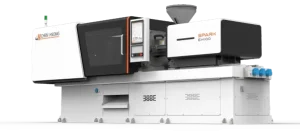
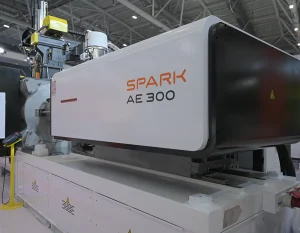
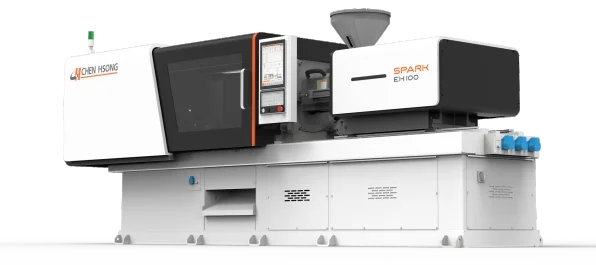
SPARK EH injection moulding machines use direct electric servo drives for clamp, injection and screw-back movements. A servo-hydraulic pump controls the carriage, ejector and core movements, creating a hybrid configuration that combines electric actuation with hydraulic functions.
This architecture is designed to support high speed, accuracy and energy saving. It does not, however, guarantee that every moulded component will meet a nominated tolerance. Buyers must match the machine to the part, resin, mould and production target.
BES Sales offers the SPARK EH range with clamp forces from 100 to 360 tonnes. The correct model cannot be selected from clamp force alone; shot requirements, mould dimensions, tie-bar spacing and production services also require review.
Match the Machine to the Moulding Application
A useful machinery brief defines the production requirement before price or floor layout drives the decision. Our team needs enough technical information to identify whether the SPARK EH configuration and available machine size suit the proposed work.
Include the following details in your enquiry:
- Part requirements: Supply component drawings, resin information, part weight, critical dimensions and the expected tolerance range.
- Mould information: Confirm mould dimensions, weight, cavity count, tie-bar requirements, core functions and ejector arrangement.
- Production target: State the expected cycle time, annual volume, operating hours and any planned automation.
- Utility information: Identify the available electrical supply, cooling arrangements, compressed air and other site services.
- Site constraints: Provide access dimensions, floor-space limits and the proposed position within the production cell.
The SPARK EH product information gives an initial overview, but final selection should be based on the complete application rather than one headline specification.
Control More Than the Machine Specification
Dimensional consistency depends on resin condition, temperatures, injection settings, cooling time, tool condition and ambient changes. A capable machine supports control, but trials and documented settings are needed to confirm repeatability. The project brief should also define measurement methods, process changes, maintenance procedures, traceability and customer approval requirements.
Plan Installation, Commissioning and Ongoing Support
New equipment also needs a practical installation and safety plan. WorkSafe Victoria’s Compliance Code: Plant covers considerations across the life of plant, including purchase, hazard identification, risk control and maintenance. Businesses remain responsible for assessing their workplace, guarding, access, services, procedures and training requirements.
We provide installation, commissioning, maintenance and technical support for injection moulding and industrial manufacturing equipment. We also support interstate installations through our team and contract service technicians across Australia. Discussing delivery access, utilities, ancillary equipment and commissioning requirements early helps define the project scope.
Discuss SPARK EH Requirements with BES Sales
BES Sales Australia is the Australian distributor of Chen Hsong injection moulding equipment, backed by more than 40 years of combined technical expertise. We can help manufacturers compare the SPARK EH range against their mould, component and production requirements.
If SPARK EH injection moulding machines suit your investment shortlist, request a technical discussion and price. Send us your part, mould, output and site details so we can review the application and identify the next steps.