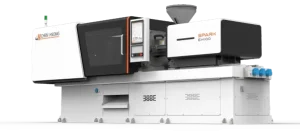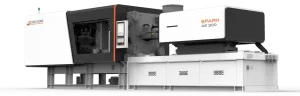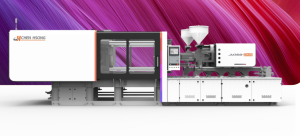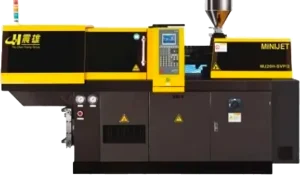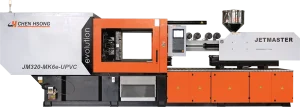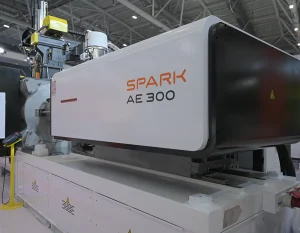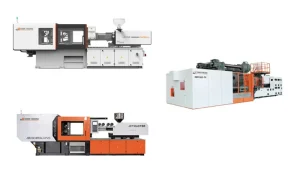
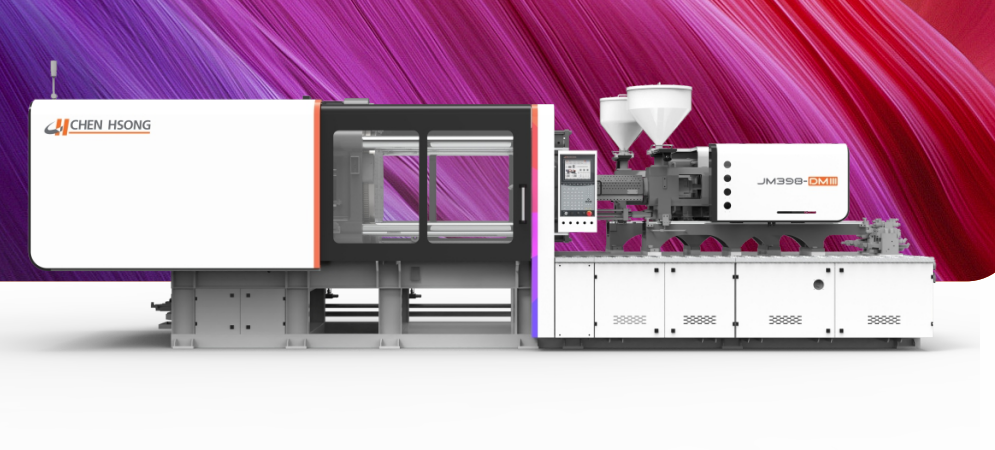
Reduce costly moulding rejects using DMIII Gen-3 multi-material injection moulding machine from BES Sales for recycled polymer applications.
Recycled polymer processing creates production issues that standard moulding systems often struggle to control. The DMIII Gen-3 multi-material injection moulding machine is presented for multi-material moulding applications; processors should confirm resin, mould and machine compatibility before selection. Industrial operations require stable injection control to reduce rejects, maintain output quality, and improve cycle consistency.
DMIII Gen-3 Multi-Material Injection Moulding Machine for Contaminated Recycled Materials
Recycled feedstocks can vary in moisture, contamination and melt-flow behaviour. Any claim about venting, degassing or the materials a particular machine can process must be checked against the current DMIII specification and a representative material trial.
Where the selected configuration includes the relevant hydraulic and control features, the settings can be assessed against the intended cycle. More stable melt flow helps reduce burn marks, short shots, silver streaking, and uneven surface finishes during recycled polymer processing. CSIRO research also highlights how contamination and inconsistent recycled plastic quality continue to affect manufacturing efficiency across industrial recycling applications.
Twin Injection Control for Multi-Material Accuracy
Multi-material moulding requires balanced injection timing to maintain even wall-thickness distribution. For a multi-material configuration, confirm how each injection unit controls speed, pressure and shot sequence.
The control strategy should be validated using the actual polymers, colourants and contamination limits. Better injection synchronisation reduces uneven layering, weak bonding areas, and dimensional variation during high-volume manufacturing.
Specifications to Confirm Before Machine Selection
Manufacturers processing recycled polymers should verify these points against the current brochure, proposed configuration and a representative material trial:
- Degasification Zones: Confirm whether the proposed barrel includes venting or degassing and which feedstocks it is intended to process.
- Barrel Venting Control: Check the operating limits, material preparation and maintenance implications for the actual feedstock.
- Twin Injection Synchronisation: Confirm how the injection units are sequenced and controlled for the proposed component and mould.
- Hydraulic Configuration: Review pump, controller and energy requirements for the selected model rather than assuming one specification applies to every configuration.
- Production Validation: Assess fill, bonding, appearance, cycle time and reject causes before committing to output claims.
Custom Processing Assessments for Australian Manufacturers
DMIII Gen-3 configuration and availability should be confirmed with BES Sales to support different component sizes, shot weights, and production requirements.
BES Sales supports manufacturers across Australia seeking practical recycled polymer processing solutions through customised production evaluations:
- Customised cycle-time estimates based on recycled polymer properties
- Machine sizing recommendations for different moulding applications
- Shot-weight assessments for stable cavity-fill performance
- Processing evaluations for variable melt-flow recycled materials
- Production guidance tailored to operational output targets
Injection Moulding Solutions for Recycled Polymer Processing
At BES Sales, we supply injection moulding systems engineered for processors handling unstable recycled polymers, contamination-sensitive materials, and demanding multi-material production requirements. Our team can discuss machine selection, technical support and maintenance requirements with Australian manufacturers.
Contact us today to request a customised machine assessment, cycle-time evaluation, and production recommendation tailored to your recycled polymer processing requirements.